All posts by Bulletin Bag

Can You Go A Day Without A Plastic Bag?

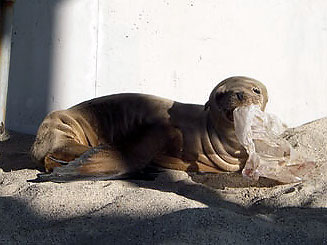
sealion_plasticbagLooking for ways bring your community together through a reusable bag promotion? Try engaging your community, city, county or state in an event like Heal the Bay’s A Day Without A Bag.

More than 50 locations throughout Los Angeles County are giving away nearly 20,000 reusable bags on December 17, 2009 as part of the third annual “A Day Without a Bag,” which urges consumers to forego environmentally harmful single-use plastic grocery bags and paper bags in favor of reusable totes.

The event, organized by environmental group Heal the Bay, is sponsored by the City and County of Los Angeles. Dozens of community groups will be conducting reusable bag giveaways and grassroots education for consumers and free reusable shopping bags will be available to patrons of high-profile retail centers throughout the region.

Continue reading

Green Up Your Holidays!

green_earthAccording to Planet Green:
2,000: Christmas trees planted per acre on average at Christmas tree farms.
18: People who get their daily oxygen requirement from one acre of Christmas trees.
10: Years it takes a Christmas tree to mature enough to be cut.

In light of these statistics, we think it’s a good time to stop and think about ways in which we can lessen our impact on Mother Earth this season.

1. Christmas Trees
Though the use of pesticides on Christmas trees has declined by 50 percent over the last decade, many are still sprayed. Look for trees that were grown using sustainable methods and without pesticides. These sellers are usually either certified organic by the Department of Agriculture or are members of Certified Naturally Grown. If you choose to have a vendor cut trees and set up shop on a convenient street corner for your perusal, make sure the trees come from a local farm.

Continue reading

DC Disposable Bag Fee Awareness Campaign Kicks Off

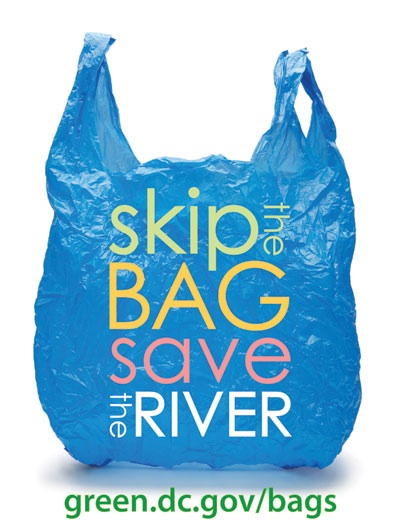
dc_bag_campaignWhen everyone is on the same page, great things happen. This summer, Washington D.C. created a 5-cent disposable bag fee, aimed at keeping trash out of the city’s waterways. Starting January 1, 2010, businesses selling food and alcohol will charge five cents for disposable plastic OR paper bags. That money will go to the newly created Anacostia River Cleanup and Protection Fund, which will be used to remove trash from the river.

The fee is the first in the country to apply to both plastic and paper bags. The awareness campaign, called “Skip the Bag, Save the River,” launched yesterday. Before the new law goes into effect, the D.C. Department of the Environment will distribute at least 100,000 free, reusable bags to D.C. residents, mainly seniors and low-income residents.

The beige and blue bags feature the slogan “Skip the Bag, Save the River.” The city is also planning an advertising campaign to promote the reusable bags, which it will finance using the fees it collects. About $3.6 million in tax revenue is expected in the program’s first year.

Continue reading

Maine Is Going Reusable!

n173685420364_7373On Monday, the Maine Merchants Association announced the “Got Your Bags, Maine?” initiative to encourage increased reusable bag use. Following a resolution passed by the Legislature last Spring, Maine Merchants Association, Maine Grocers Association the state Chamber of Commerce, Natural Resources Council of Maine and a growing number of Maine retailers and grocers have joined forces after being brought together over the summer by the Maine State Planning Office. The public education and outreach effort is aimed at encouraging Mainers to increase the usage of reusable bags for shopping and decrease the use of single use paper and plastic bags.

“The kick off of this campaign is a monumental achievement and we are thrilled to see the state of Maine taking leadership on this issue….” says Suzette Bergeron, owner of Bulletin Bag [.com] based in southern Maine.  We first got involved in Maine’s campaign against wasteful paper and plastic when former Representative Ted Koffman put forth a bill to put a fee on paper and plastic in 2007.

Continue reading

The Inevitable Appearance of a Plastic Grocery Bag

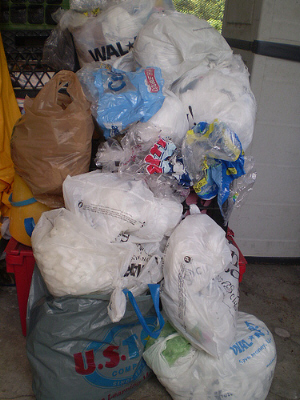
plastic-shopping-bagsNo matter how hard you try to avoid it, even the most diligent reusable bag user winds up with unwanted plastic bags on occasion. So, when the plastic grocery bags do magically appear in your life, here are five ways to reuse them.

1. Grab two socks and sew the toes together. Stuff each sock full of plastic grocery bags (cut up or not). Sew each end shut and voila…a draft stopper that keeps air from getting under doors.

2. Do you have a drafty house? To lessen drafts that come in, stuff plastic bags into cracks where air comes through.

3. Stinky trash? Fill a plastic bag with potpourri and secure the bag closed (tie, tape, staple). Cut very small holes in the bag and tape it to the lid of the container for a fresh scent. This works in closets, too!

4. Are you creative? Cut up plastic bags can double as: pom pons, hula skirts, kite tails, and bows for presents.

5. Heading out in mucky weather without proper footwear? Put plastic bags on your feet over your socks for extended exposure to wet elements, or over your shoes for a quick walk from building to car (be careful…it can be slippery).

Do You Still Think You Cannot Live Without Plastic Bags?

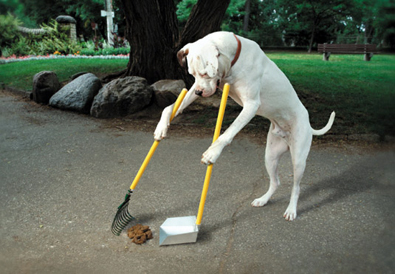
doggie-pooper-scooperEarlier this week, we were talking about the reasons people defend their plastic bag habit.  We listen to the ‘reusable bag chatter’ and can tell you that people tweet about it, blog about it and comment on it almost every day.  So what are the top 2 reasons people haven’t made the switch to reusable bags?

#1:  “I need free plastic grocery bags to line the small trash cans in my home”

If you’ve starting bringing your own bag, you’ve probably noticed that those darn plastic bags still pop up.  Unless you live alone, you’ll have a hard time eliminating them completely.

Continue reading

Florida State of (Reusable Bag) Mind!

Florida environmental officials are trying to make their state the first to ban single-use plastic AND paper bags. Their stance is that manufacturing paper bags creates as much pollution as disposing of plastic bags. Disposable plastic bags are a headache for those who maintain storm drains and landfill machinery and are a source of litter across landscapes and on ocean currents.

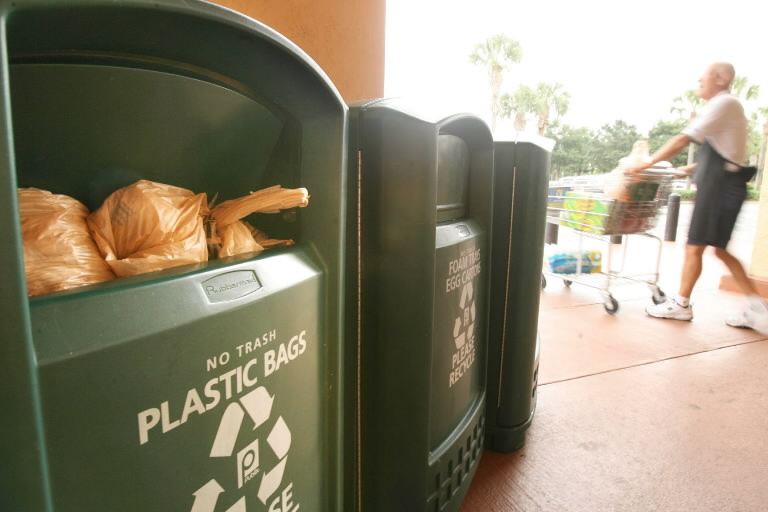
plastic_bag_recycle_binFloridians used more than 5 billion disposable plastic and paper bags in 2003, the most recent year for which figures are available. But state environmental officials aren’t deterred. They are following the lead of San Francisco and other communities by proposing to ban the bags completely .

Continue reading

Jump on The Movement!

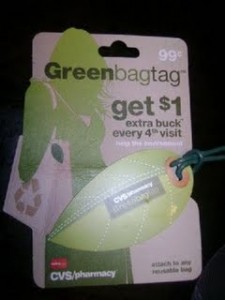
cvs_greenbagtagStill not convinced you’ll see a great ROI on a custom-logo shopping bag promotion?  The last week has seen corporate giants reverse their stance on reusable bags and further their dedication to green by offering incentives to the end users for remembering their bags—meaning now’s the perfect time to be proven wrong.

Westport is the first town in Connecticut to ban plastic bags, which has resulted in a 70 percent increase in people bringing their reusable bags since the ban has been in effect. One of the sponsoring representatives of the bill, Liz Milwe, was quoted in the NY Times as saying, “The greatest thing that happened was after the six-month period was over, Stop & Shop, who originally opposed the ban, had people clapping when customers remembered their reusable bags.” Way to put aside your opposition to see the forest for the trees, so to speak!

Jeffrey Weiser, another of the four sponsors estimates 600,000 fewer plastic bags have been used since the ban started. Under the new regulation, the town can impose a $150 fine on businesses that distribute plastic bags.

Continue reading

Plastic Shopping Bags: Truth in Numbers

500,000,000,000: Society’s annual consumption rate of plastic bags–nearly 1 million per minute.
380,000,000,000: Number of plastic shopping bags consumed by Americans per year.
12,000,000: Barrels of oil used per year to produce plastic shopping bags used by Americans.
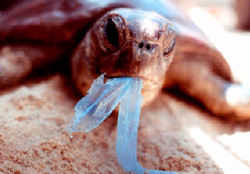
1,000,000: Seabirds and 100,000 marine mammals & sea turtles worldwide die yearly from ingesting plastics.
46,000: Pieces of plastic rubbish found on every square mile of central Pacific Ocean.
1,460: Number of plastic bags used each year by the average family of four.
1,000: Number of years that single-use plastic bags can remain on our planet.
75: Percentage of all grocery bags used in the US that are plastic.
2: Percentage of plastic bags produced each year that are recycled.
1: Number of high-quality reusable bags needed to eliminate up to 1,000 plastic bags.

Use One, Save 1,000.

turtle_with_bag

Bulletin Bag [.com] Launches School Eco-fundraising Program

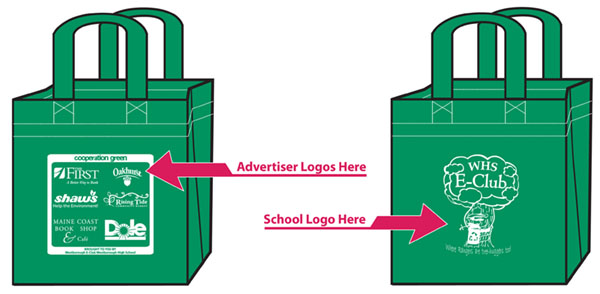
Bulletin Bag [.com] , a provider of custom printed reusable shopping bags, today announced the launch of Cooperation Green. A cooperative fundraising effort between schools, their communities and vital program advertisers, Cooperation Green enables schools to maximize fundraising dollars by producing higher profits with less financial risk.

NZ bag concept sketch final LETTER” Cooperation Green connects advertisers with interested audiences to share their environmental commitments, along with their products and services,” said Suzette Bergeron, owner of Bulletin Bag [.com]. “It provides funding for schools through healthy, inspiring activities while empowering students to be environmental leaders.”

Continue reading