 In today’s fast-paced world, food delivery has become an integral part of the dining experience. With the rise of online ordering platforms and delivery services, restaurants are constantly seeking ways to differentiate themselves and leave a lasting impression on customers. One effective strategy that is gaining traction in the food industry is customizing food delivery bags and packaging. From branded boxes to personalized totes, custom food delivery bags offer a host of benefits for businesses looking to elevate their brand and enhance the customer experience! Continue reading
Custom Food Delivery Bags: Deliver in Style!
Rainbow Webbing Handles: Every Month is Pride Month!
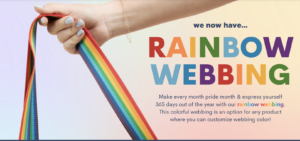 Looking for ways to customize reusable bags even more than just with your logo? Custom webbing handles is a great way to do just that! We offer a variety of bags where you can choose the canvas color, handle color, zipper color, and so much more. Creating unique bags like this that showcase your brand’s identity is a great way to stand out from the crowd and advertise your message in fun and meaningful ways! Continue reading
Custom Boat Totes: Ready for Summer!
 As the days grow longer and the temperature rises, people eagerly embrace the joys of spring and summer. From beach outings to picnics in the park, outdoor adventures are abundant during these warmer seasons! For businesses seeking to capitalize on the spirit of sun-soaked days and warm breezes, custom boat totes emerge as a standout promotional bag choice. Let’s set sail into the world of custom boat totes and explore why they’re the perfect promo bag for the spring and summer months! Continue reading
Elevate Your Brand with Custom Gift Bags for Entrepreneurs!
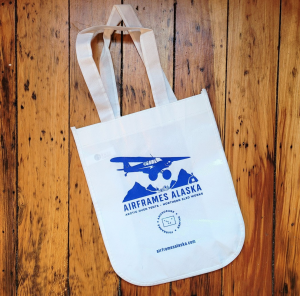 In the dynamic world of entrepreneurship, building a strong brand identity and fostering meaningful connections with customers are paramount. Custom gift bags offer a versatile and impactful solution for artists and entrepreneurs looking to elevate their brand presence and leave a lasting impression on their audience. Let’s delve into why custom gift bags are a smart choice for promotional campaigns in these creative industries! Continue reading
Custom Insulated Bags for Spring Adventures
 As the weather warms and nature beckons, spring becomes the perfect time for outdoor activities like camping, picnics, and hiking. Amidst the excitement of planning these adventures, one essential item often overlooked is the trusty insulated bag.
 Custom USA-Made Bags: Perfect for Political Promos!
 In the whirlwind of political campaigns, every detail matters. From the slogans to the speeches, each element contributes to crafting a candidate’s image and message. Among these, promotional items play a crucial role. In the realm of political promotions, custom USA-made bags stand out as not just accessories, but as powerful tools for conveying a message! Continue reading
Custom Drawstring Bags: Ideal for the Summer!
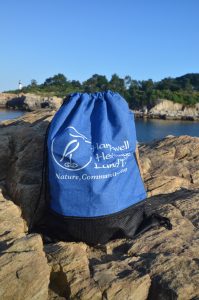 With the sun shining, the days getting longer, and outdoor adventures beckoning, summer is the perfect time to elevate your brand visibility with promotional products that resonate with the season. Among the myriad options available, custom drawstring bags stand out as the quintessential promotional item for summer. Let’s dive into why these versatile bags are the perfect choice for your summer promotional campaigns! Continue reading
Custom Bags Made with Recycled Materials: Perfect for Earth Day!
 In an era where environmental consciousness is at the forefront of consumer minds, businesses are increasingly turning to sustainable practices to align with eco-friendly values. Promotional products made with recycled materials, particularly custom bags, offer a powerful way to demonstrate your brand’s commitment to sustainability while leaving a positive impact on the planet. As we approach Earth Day, let’s take a look at some of the benefits of choosing custom bags made with recycled materials! Continue reading
Our Top Custom Bags for Schools as Graduation Season Approaches!
 As graduation season draws near, schools are gearing up to celebrate the achievements of their students. It’s a time of reflection, accomplishment, and looking towards the future. One way schools can commemorate this milestone and foster a sense of pride and community is through thoughtful promotional items. Here are some creative ideas for custom bags that schools can consider as they prepare to bid farewell to their graduating class! Continue reading
Custom Umbrellas & Outerwear: Perfect for April Showers!
 As April rolls in, so does the promise of spring showers and outdoor adventures. For businesses seeking innovative ways to promote their brand, custom umbrellas and outdoor gear present a golden opportunity. Let’s explore why these items are not only practical but also powerful tools for company branding, especially in April! Continue reading